Hair Loss in Women
Table Of Content
For this reason, your dermatologist may include one of the following in your treatment plan. At-home treatments offer convenience, and you can buy many of them without a prescription. Because studies show that the following can help, your dermatologist may include one (or more) in your at-home treatment plan.
Changes to your diet
A healthcare provider can identify the cause of your hair loss and help you come up with a plan to get your hair growing again. Besides potentially causing hair loss, iron deficiency anemia can lead to impaired brain function, infertility, heart conditions, depression, and altered immune system function (16). Just like crash diets, restrictive diets that cut out entire food groups can cause hair loss as a result of nutrient deficiency or stress. This April marks Stress Awareness month in the US, a calendar moment designed to raise awareness of the pervasive and damaging nature of stress. One common type of scarring alopecia affects your eyebrows and your front hairline first and then works its way toward the back of your head.
TikTok's Hair Training Trend Can Lead to Hair Loss, Scalp Infection - Healthline
TikTok's Hair Training Trend Can Lead to Hair Loss, Scalp Infection.
Posted: Tue, 07 Nov 2023 08:00:00 GMT [source]
How Is Female Hair Loss Treated?
This process is essential to the life cycle of hair, and you may experience hair loss if you have a biotin deficiency. Vitamin A is partly made up of retinoids, which support healthy hair growth and influence the hair cycle. But it’s dose-dependent, meaning that consuming too much — or too little — can damage your hair.
Medical Professionals
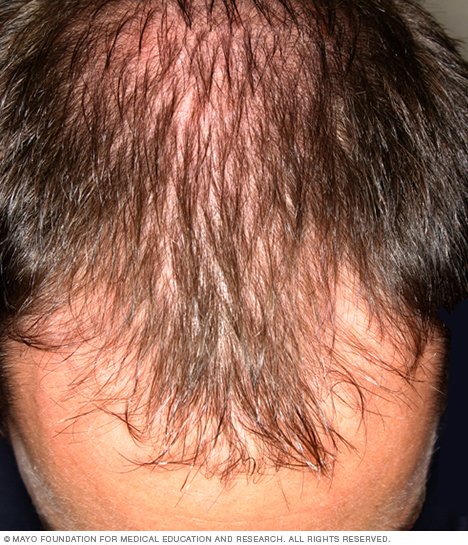
However, studies show that more than 50% of people assigned female at birth will experience noticeable hair loss. The most significant cause of hair loss in women is female-pattern hair loss (FPHL). Depending on what’s causing your hair loss, it may be temporary or permanent. Treatments can help people with certain types of hair loss.
You can expect 10–80% of transplanted hair to grow back in 3–4 months. Talk with a dermatologist or a hair restoration specialist to find out whether a hair transplant is right for you. Hair transplants involve taking hair from one area of your scalp and transplanting it into an area with hair thinning or balding. Some causes of hair loss are temporary and can be reversed, while others are permanent.
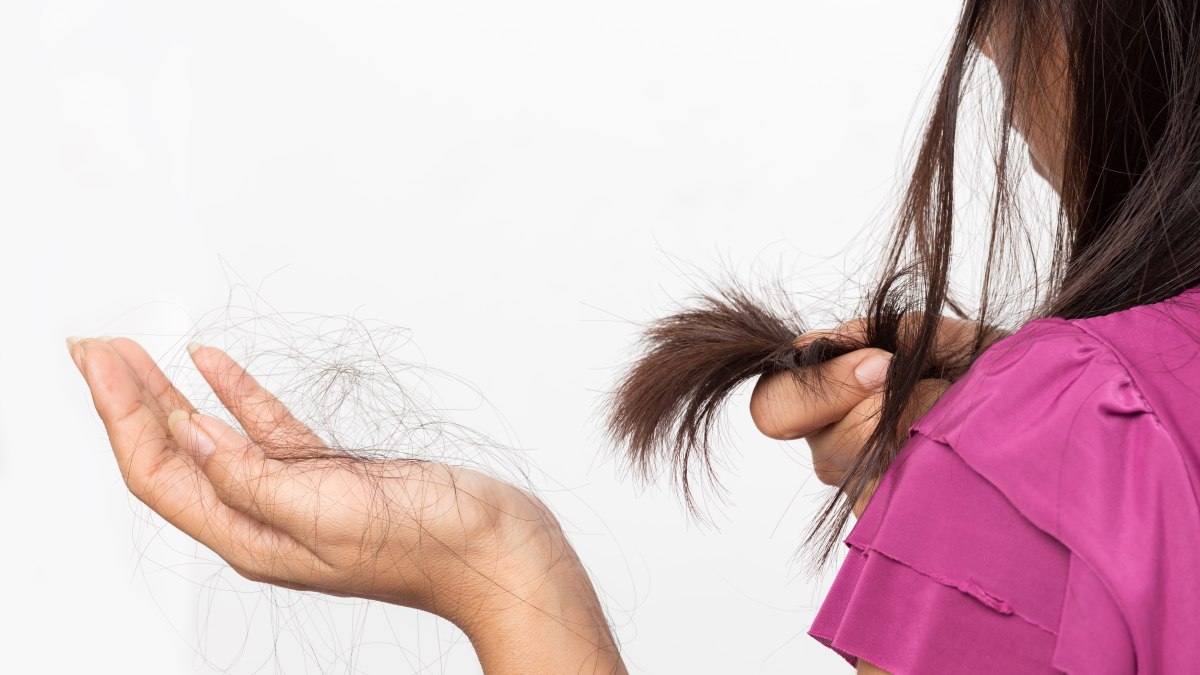
Also, because hair follicles shrink during this time, your hair might be thinner, fall out easier, and grow more slowly. Once the stress goes away, your hair may get back to normal in 6-9 months. You can have hair loss as a result of physical stress, like when you give birth or have surgery, or intense emotional stress, like a death in the family, divorce, or unemployment. Hair loss can happen a couple of weeks to 6 months after any stressful experience. Because hair is constantly falling out and growing, hair loss often goes unnoticed.
A quick look at our hair loss prevention categories
He or she may refer you to a doctor who specializes in the treatment of skin problems (dermatologist). A typical hair transplant involves removing patches of hair from your head and reinserting the hair follicle by follicle into the bald sections. Hair loss is a complicated topic and the role of nutrition in preventing or treating hair loss can be somewhat controversial. If you’re currently losing hair, use a gentle baby shampoo to wash your hair.
A person may lose hair as a result of a health-related issue, such as alopecia areata, a nutrient deficiency, or medication use. Treatment for hair loss will depend on the cause, but avoiding heat on the hair and following other lifestyle tips may help. Minoxidil tends to be more effective when used along with another treatment for hair loss. Many people see some regrowth when using minoxidil, but it takes time to see results, usually about 6 to 12 months. In some cases, the cause of hair loss is obvious — for example, if you're losing hair while going through chemotherapy.

Avoid harsh hair treatments like heating tools, hair dye and bleaching. Hairstyles like tight ponytails or braids can affect your hair as well. Keep your scalp healthy by washing your hair and scalp regularly.
In one small 2016 study involving 9 people, participants saw results after receiving as little as 4 minutes of massage a day for 24 weeks. Also known as Rogaine, this over-the-counter drug is known to help with hair loss. Treatment for this condition depends on the cause but may include a topical solution of minoxidil (Rogaine). To use minoxidil, you apply it to the scalp as directed, usually once or twice a day.
The most common products contain an ingredient called minoxidil. They may also order blood tests to check for any nutrient deficiencies or signs of an underlying condition. It’s also the most common cause of hair loss, affecting up to 50% of people. There are several types of hair loss, some are common and some are rarer, and each with different underlying causes. In hair transplant surgery, pieces of scalp tissue with the hair attached are typically taken from one area of the scalp and moved to areas of baldness.
To prevent hair loss, avoid crash and restrictive diets, fuel your body properly, and supplement before and after weight loss surgery. Work with a qualified healthcare provider to identify the cause of hair loss and to find a plan to facilitate hair regrowth. Effective treatments for some types of hair loss are available. You might be able to reverse hair loss, or at least slow it.


Comments
Post a Comment